Isolation, Restriction, and Denial of Access: A New Siege on My Village of Al-Ma’sara and the Villages of Southern Bethlehem
I am writing this from inside my village, Al-Ma’sara, south of Bethlehem—not as breaking news or a field report, but as a personal account of a reality I live every day, and try to understand within the broader framework of policies of isolation and closure that now govern our lives, in Al-Ma’sara and the surrounding villages of southern Bethlehem.
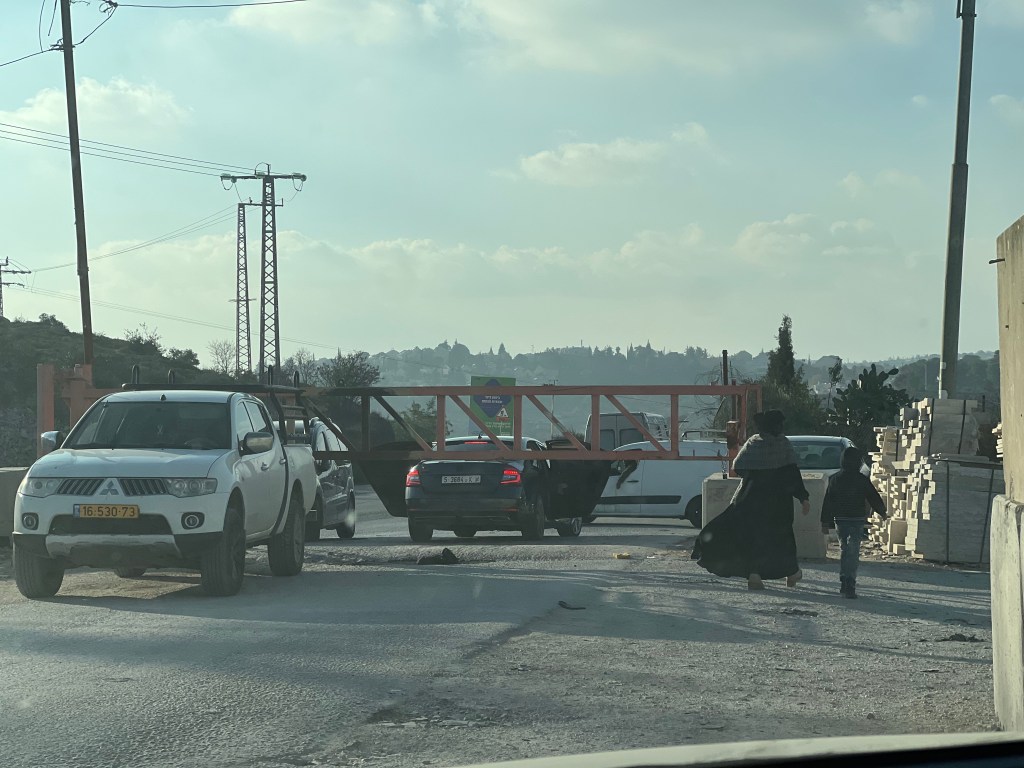
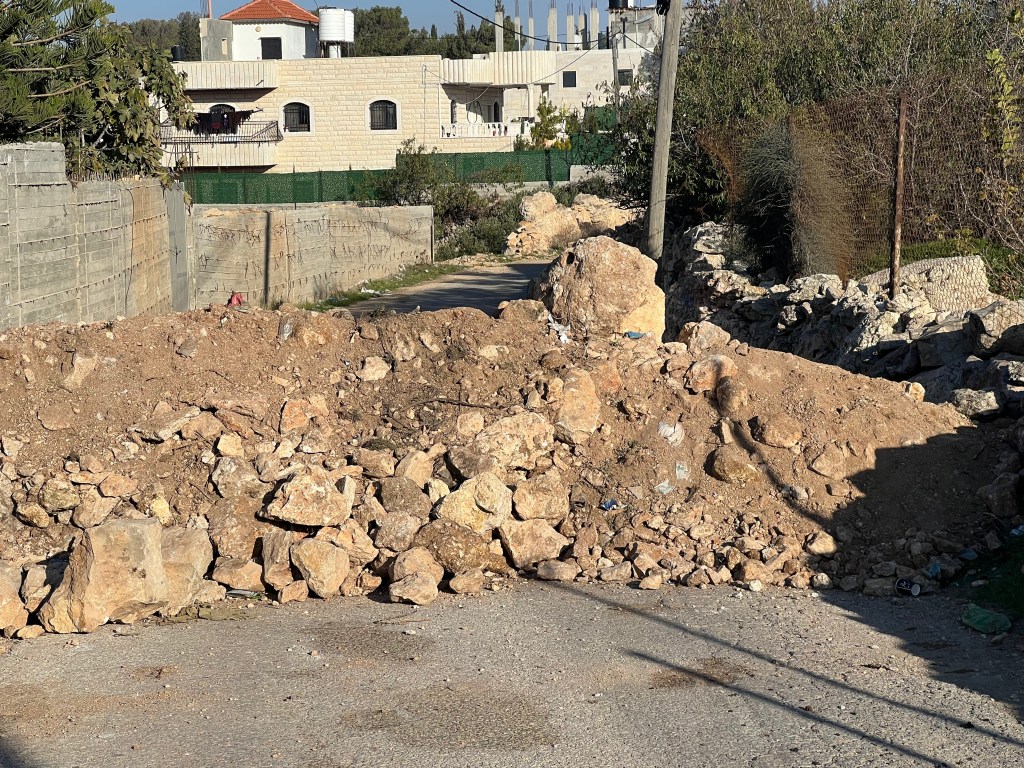
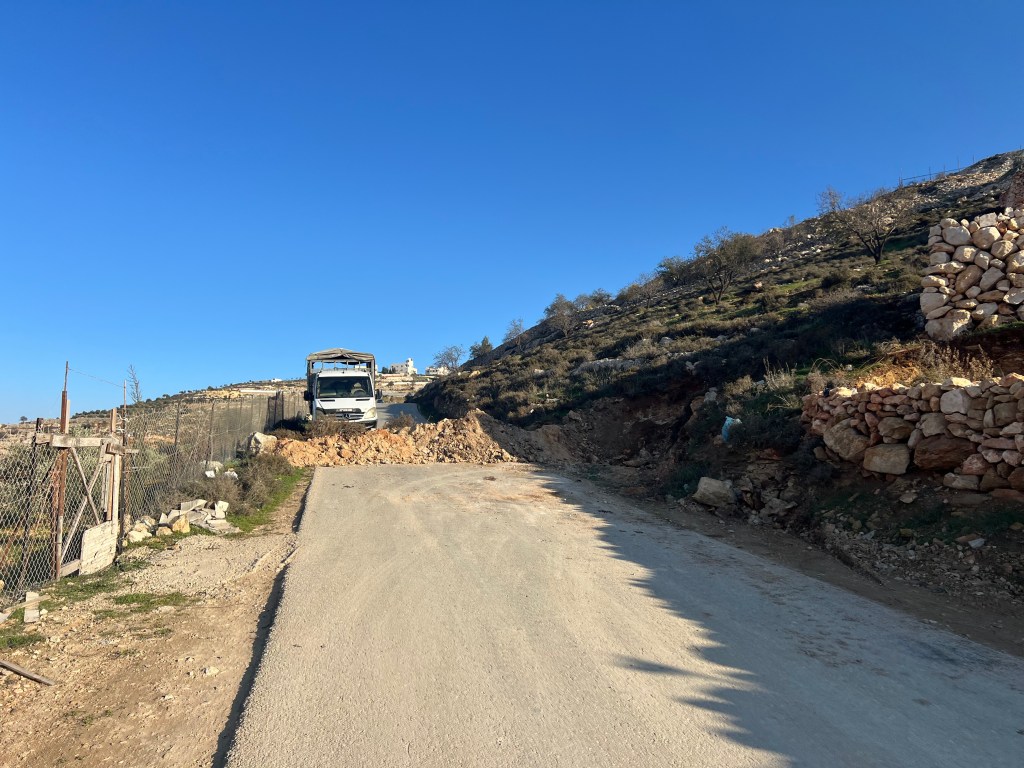
At 10:30 p.m., Israeli occupation forces stormed my village accompanied by a military bulldozer. The raid itself was not unusual—we are accustomed to incursions—but what followed marked a dangerous escalation. The forces began closing the secondary roads that connect Al-Ma’sara to neighboring villages in southern Bethlehem. They sealed the only access point linking my village to its surroundings, and closed the Wadi Rahhal–Jorat al-Sham‘a road, the route we have long relied on as our last outlet whenever the iron gates on the main roads are shut.
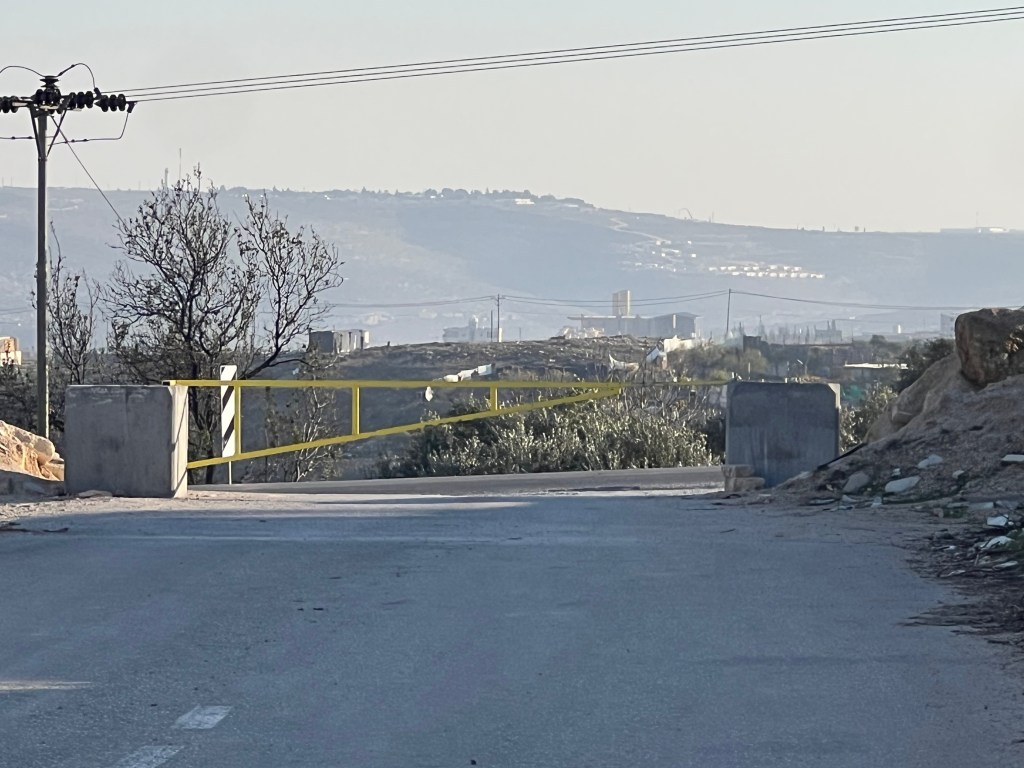
Since October 7, my village and the villages of southern Bethlehem have been living under a new reality of closures. Main roads leading to the main highway were blocked, and iron gates were installed to fully control our movement. In response, residents were forced to carve alternative secondary roads—not as a choice, but as the only way to keep life going. What happened this time is that the occupation decided to close those roads as well. The message was clear: no movement, and no alternatives.
How Our Daily Life Has Changed
Movement is no longer taken for granted. Leaving the village by car has become nearly impossible. Students are unable to reach their universities, teachers and employees struggle to get to their workplaces, and schools and kindergartens have been partially or fully disrupted.
As I write this, it feels as though time itself in the village no longer moves normally; everything is now dictated by a gate, an earth mound, or a sudden military decision.
This is not only about physical access. It is about a constant state of instability. I can no longer plan my day or even the next one. The simplest questions—When can I leave? Will I be able to return?—have no clear answers. This accumulated sense of helplessness is one of the heaviest consequences of the siege, even if it never appears in statistics.
At the Same Time: Settler Violence and Settlement Expansion
While this suffocating siege is imposed on my village and the villages of southern Bethlehem, settler violence continues to escalate in the area. In recent periods, settlers have repeatedly attacked pedestrians and vehicles using stones, particularly along agricultural and secondary roads, targeting farmers as they attempt to reach their lands. These attacks take place in the absence of any accountability or protection.
More dangerously, this violence is not separate from official policy. It coincides with the opening of new roads for settlers and the granting of full authority for settlement expansion, at the direct expense of Palestinian farmers and agricultural lands. While our roads are closed, new roads are paved for settlers; while our movement is restricted, settlement infrastructure expands. The geography is being reshaped to serve one project only: consolidating settlement control and shrinking Palestinian presence.
As residents and farmers, we witness the gradual confiscation of land with our own eyes—one plot rendered inaccessible, another road blocked, another area turned into a settlement corridor. This parallel between the siege imposed on us and the privileges granted to settlers makes clear that what we are experiencing is not about security, but about systematic dispossession.

Farmers: The Most Visible Loss
As someone from this area, it is clear to me that farmers are the most affected group. The timing of these closures coincides with the plowing and tree-planting season. The closure of the Wadi Rahhal–Jorat al-Sham‘a road and the placement of earth barriers near agricultural lands have prevented vehicles carrying equipment and seedlings from reaching the fields.
I know farmers who are now forced to walk long distances to their land, and others who cannot reach it at all. This is not merely an added hardship—it is a real loss. In previous seasons, we lost entire harvests, especially grapes, because we were unable to reach markets on time. Vegetables left for hours at checkpoints lose their quality and value. Here, closures become a direct tool for destroying livelihoods, not merely restricting movement.
Nights That No Longer Offer Rest
In the early hours of dawn, occupation forces returned to the village. Homes were raided, rooms searched, threatening leaflets distributed, and several young men were detained before being released after hours of field interrogation.
Even after the forces leave, the impact remains. Fear does not disappear with their withdrawal—it settles into homes, into mothers’ eyes, and into the silence of the night. For us, night is no longer a time of rest; it has become an extension of the siege.
Conclusion
I am writing this because what is happening in my village of Al-Ma’sara and the villages of southern Bethlehem is not an isolated security incident. It is a layered reality of isolation, restriction, and denial of access, accompanied by escalating settler violence and continuous settlement expansion at the expense of land and people.
To be besieged in our villages while roads are opened and privileges granted to settlers means that today the struggle over land is being waged through daily life itself: who is allowed to move, and who is prevented; who is allowed to expand, and who is forced to shrink.
From my position as a resident of this land, the most dangerous aspect of this reality is its normalization—while at its core, it is a continuous denial of our right to land, access, and a life lived with dignity.

